
What Color Should I Wear for My Headshot?
This is the question I get asked more than any other before a session. Wardrobe is one of the biggest variables in how a headshot turns out — and color is the most important part of the wardrobe conversation. Here's what 26 years of photographing professionals has taught me.
Colors That Photograph Well
Navy blue is the most reliable choice across all skin tones and backgrounds. It reads as professional and authoritative without being harsh. It works for corporate headshots, LinkedIn profiles and most industry types. When in doubt, navy is the answer.
Jewel tones — deep burgundy, forest green, sapphire, plum — photograph beautifully and add personality without being distracting. These work particularly well for professionals who want their headshot to feel warm and approachable rather than strictly corporate.
Charcoal and dark gray are strong alternatives to black. They have depth on camera without the contrast issues that pure black sometimes creates.
Colors to Avoid
White and off-white are the most common mistakes. Against a light or neutral background, white clothing disappears and draws attention away from your face. White also creates exposure challenges that flatten the overall image.
Beige and tan have a similar problem — they often blend into skin tones and backgrounds, creating a washed-out look.
Pastels, Neon and very saturated colors draw the eye to the clothing rather than your face. The goal is for people to remember your expression and presence, not your outfit.
Busy patterns, stripes and large prints are distracting on camera and date quickly. They also create visual tension in the image that works against a clean, polished look.
A Note on Black
Black is a popular choice and it does photograph well — with one important caveat. Make sure it's a true, fresh black. Faded black, washed-out black or black with lint reads poorly on camera and looks unprofessional in the final image. If you're wearing black, make sure it's freshly laundered, free of lint and has good depth to the color.
How to Match Color to Your Background
The background you choose for your session also affects what color reads best. A few general guidelines:
Against a white or light gray background, deeper colors — navy, burgundy, charcoal — create a clean, strong contrast
Against a dark or charcoal background, medium tones and jewel tones work well
Against a warm background, cooler tones often balance the image nicely
This is one of the reasons wardrobe planning is part of every session. Knowing your background choice before you pack your clothes makes a real difference.
How Skin Tone Affects Color Choice
Color doesn't work in isolation — it works in relationship to your skin tone. A few broad principles:
Cooler skin tones tend to look best in jewel tones, navy, burgundy and cool grays
Warmer skin tones tend to look best in earth tones, warm neutrals, olive green and warm blues
Deeper skin tones are often the most flexible — rich jewel tones, bold colors and deep neutrals all tend to photograph well
If you're unsure, navy is a safe starting point for almost every skin tone.
Bring More Than One Option
The easiest way to take wardrobe pressure off the day of your session is to bring 2 to 3 outfit options. Different colors and necklines give you flexibility in your final gallery, a more formal look for your company website, a slightly more relaxed look for LinkedIn, a bolder color for speaking bios or press features.
After you book your session, a wardrobe prep guide is sent with your confirmation. If you'd like to talk through your specific options before the session, that's available too.
Quick Reference — Headshot Color Guide
Best choices: Navy, jewel tones (burgundy, forest green, sapphire, plum), charcoal, muted warm tones
Use with care: Black (only fresh and lint-free), bold patterns (only if they're part of your brand)
Avoid: White, off-white, beige, neon, busy patterns, large logos
Frequently Asked Questions
What is the best color to wear for a LinkedIn headshot? Navy is the most reliable choice. It photographs well on all skin tones and reads as professional across every industry.
Should I avoid black for headshots? Not necessarily — but make sure it's a true, deep black. Faded or washed-out black reads poorly on camera. If your black is fresh and lint-free, it's a solid choice.
Can I wear patterns for my headshot? Small, subtle patterns can work. Large prints, bold stripes and busy patterns tend to distract from your face and date quickly. Solid colors are almost always the stronger choice.
Does background color affect what I should wear? Yes. Deeper, richer colors work well against light backgrounds. Knowing your background choice before you pack your wardrobe helps you make the right call.
Can I bring multiple outfits? Yes — and it's encouraged. Bringing 2 to 3 options gives you variety in your final gallery and takes the pressure off having to get it perfect in one look.
It is Womens History Month Make Sure Womens Stories Are Heard
I've been thinking about my grandmother lately.
Not just this month — though Women's History Month has a way of bringing her closer. I've been thinking about the stories she carried. The things she lived through, survived, built, and lost. The wisdom she had that I only caught in glimpses before she was gone.
I never thought to ask her to tell me everything. I assumed there would be time.
There wasn't.
And I don't think I'm alone in that. I think most of us have a woman in our lives — a mother, a grandmother, an aunt, a mentor — whose story we only half know. Whose voice we'd give anything to hear again. Whose face we wish we'd photographed more honestly, more carefully, more intentionally.
That grief is part of why I became a photographer. And it's entirely why I created Her Words, Her Light.
What Her Words, Her Light Actually Is
I want to be clear about something: this is not a portrait session with a fun podcast add-on. This is a documentary project. A legacy archive. A deliberate act of preservation.
Every woman who participates is personally selected — because I see something in her worth documenting. She comes to my Pleasanton studio, where we create a cinematic black-and-white portrait that captures who she actually is. Not who she thinks she should be. Not her LinkedIn headshot. Her.
Then we talk. An unscripted, honest conversation that becomes a full episode of Visible Impact — my new podcast dedicated to the stories women are finally ready to tell.
Together, the portrait and the podcast episode become something lasting. Something her daughters and granddaughters can return to. Something that says: she was here, and she mattered, and this is what she had to say.
The Thing I Keep Hearing
Every woman I've approached about this project says the same thing first.
"I don't think I'm interesting enough." "My story isn't that special." "I hate being in front of a camera."
And every single woman who has pushed past that and participated has left the studio changed. Not because I did anything magical — but because being truly seen, and truly heard, does something to a person. It reminds her that her story matters. That she matters.
That's not a small thing. In a world drowning in artificial images and curated perfection, being seen honestly might be the most radical act there is.
Why Now
Women's History Month exists to remind us that history is made of individual stories — not just movements and milestones, but the quiet, extraordinary lives of ordinary women.
I want to document those lives before they're gone.
If you've been thinking about participating, or if someone came to mind while you were reading this — please don't wait. Sessions are $650 and include your portrait, a fine art print, and a full episode of Visible Impact. Participation is by application and personal invitation.
This is your invitation.
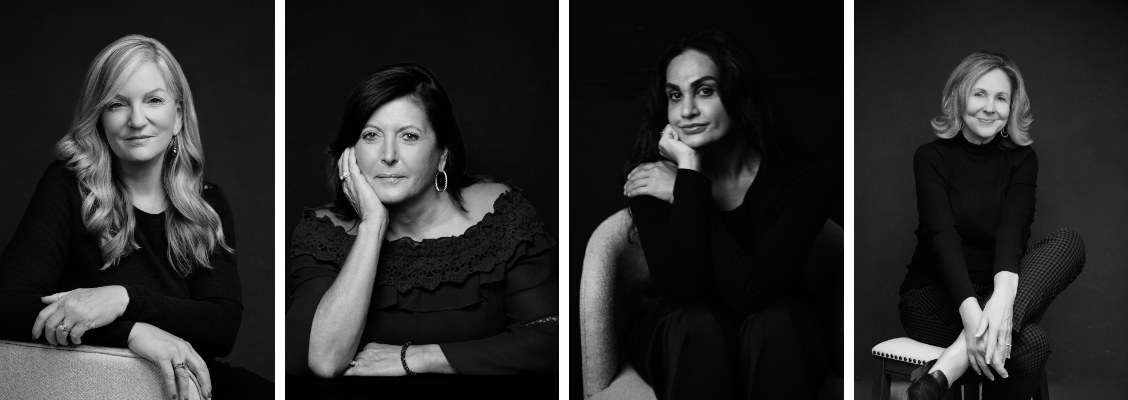
What to Wear for Your Headshot: Wardrobe, Makeup and Hair Tips
Preparation is one of the biggest factors in how a headshot turns out. The choices you make beforehand about wardrobe, hair and makeup shape the result as much as anything that happens in the studio. Here's what 26 years of photographing professionals has taught me about what works.
Wardrobe: What to Wear
Stick to solid colors Solid colors almost always outperform patterns on camera. Busy prints, stripes and bold graphics draw attention away from your face and date quickly. A solid color in a flattering shade keeps the focus where it belongs.
Best colors for headshots Navy is the most reliable choice across all skin tones, it reads as professional and photographs cleanly against most backgrounds. Other strong options include jewel tones (burgundy, forest green, sapphire, plum), charcoal, muted warm neutrals and dusty pastels.
Colors to avoid White and off-white tend to wash out against light backgrounds and create exposure challenges. Beige and tan often blend into skin tones. Neon and highly saturated colors pull attention away from your face.
Fit matters Clothing should fit well, not too tight, not too loose. Anything that bunches, pulls or gaps will show on camera.
Bring options Pack 2 to 3 outfits. Different colors and necklines give you variety across your final gallery, a more formal look for your company website, a slightly more relaxed look for LinkedIn, a bolder color for a speaking bio.
A note on black Black photographs well when it's a true, deep, fresh black. Faded or washed-out black reads poorly on camera. If you're wearing black, make sure it's freshly laundered and free of lint.
Makeup Tips for Headshots
Why headshot makeup is different The camera picks up more detail than the eye does. Makeup that looks natural in person can read as too light on camera, and makeup that looks overdone in person can look perfectly natural in photos. The goal is a polished, even look that doesn't call attention to itself.
Foundation and base Your base is the most important step. Make sure your foundation matches your natural skin tone exactly, particularly at the jaw and neck. A mismatched foundation line shows clearly in photos. Set your base with powder to reduce shine, as the studio lights pick up oil and sheen quickly.
Eyes Defined eyes read better on camera than bare ones. A neutral eyeshadow, defined lashes and a subtle liner help your eyes show up clearly without looking overdone. Avoid very dark or smoky looks unless that's genuinely part of your personal brand.
Lips A neutral to slightly deeper lip color photographs well. Very light or nude lips can disappear on camera. Avoid glossy formulas, matte or satin finishes hold up better under studio lights.
Avoid shimmer and glitter Highlighter, shimmer eyeshadow and glittery products reflect studio lighting in ways that create distracting bright spots. Stick to matte and satin finishes throughout.
Professional makeup services Professional hair and makeup is available through Nina's preferred artists, who understand what reads well on camera for a professional headshot. If you're considering it, ask when you book, it's worth the investment.
Touch-up kit Bring your makeup for touch-ups during the session. Blotting papers, powder, lip color and anything you used for your base are all worth having on hand.
Hair Tips for Headshots
Keep it simple and controlled The most common hair mistake in headshots is flyaway or frizzy hair that distracts from the face. Whatever your natural style, the goal is a version of it that's clean, controlled and intentional.
Freshly washed or styled Show up with hair that's freshly washed or professionally styled. Avoid dry shampoo overload, it creates a dull, powdery texture that reads flat on camera.
Avoid major changes right before your session A new haircut or color right before your session is a risk. If something doesn't go as planned, there's no time to correct it. Schedule any significant changes at least two weeks before your session.
Longer hair If you typically wear your hair down, bring the tools to put it up as well. Having both options gives you variety in your gallery, some clients find they prefer a more polished updo for their corporate headshot and their natural style for LinkedIn.
Men's grooming Freshly groomed is the right call. A haircut and fresh shave or trim of any facial hair within a day or two of the session makes a visible difference. Avoid heavy product that makes hair look wet or overly styled.
The studio has a steamer and a dressing area If anything needs a quick refresh when you arrive, the studio is set up for it.
Quick Reference Checklist
Before your session, run through this list:
2 to 3 solid color outfit options packed and pressed
Lint roller in your bag
Foundation that matches your skin tone at the neck
Makeup touch-up kit
Hair tools if you want an updo option
Glasses if you typically wear them
Any props relevant to your personal brand
Frequently Asked Questions
Should I get professional hair and makeup for my headshot? It's worth considering. The camera picks up more detail than the eye does, and professional makeup artists who work with photographers know how to produce results that look natural on camera. Ask when you book.
What if I don't wear much makeup? That's completely fine. A light, even base and some definition around the eyes is enough. The goal is a polished version of how you normally look, not a transformation.
Should I get a haircut before my session? If you're planning one, schedule it at least a week before the session so it has time to settle. Last-minute cuts are a risk if the result isn't what you expected.
What if I'm not sure what to wear? A wardrobe prep guide is sent with every booking confirmation. If you'd like specific feedback on your options before the session, send photos and Nina will weigh in.
Senior C-Suite HR Executive Magazine Feature
As featured in HR Magazine - Sumer 2020 Issue.

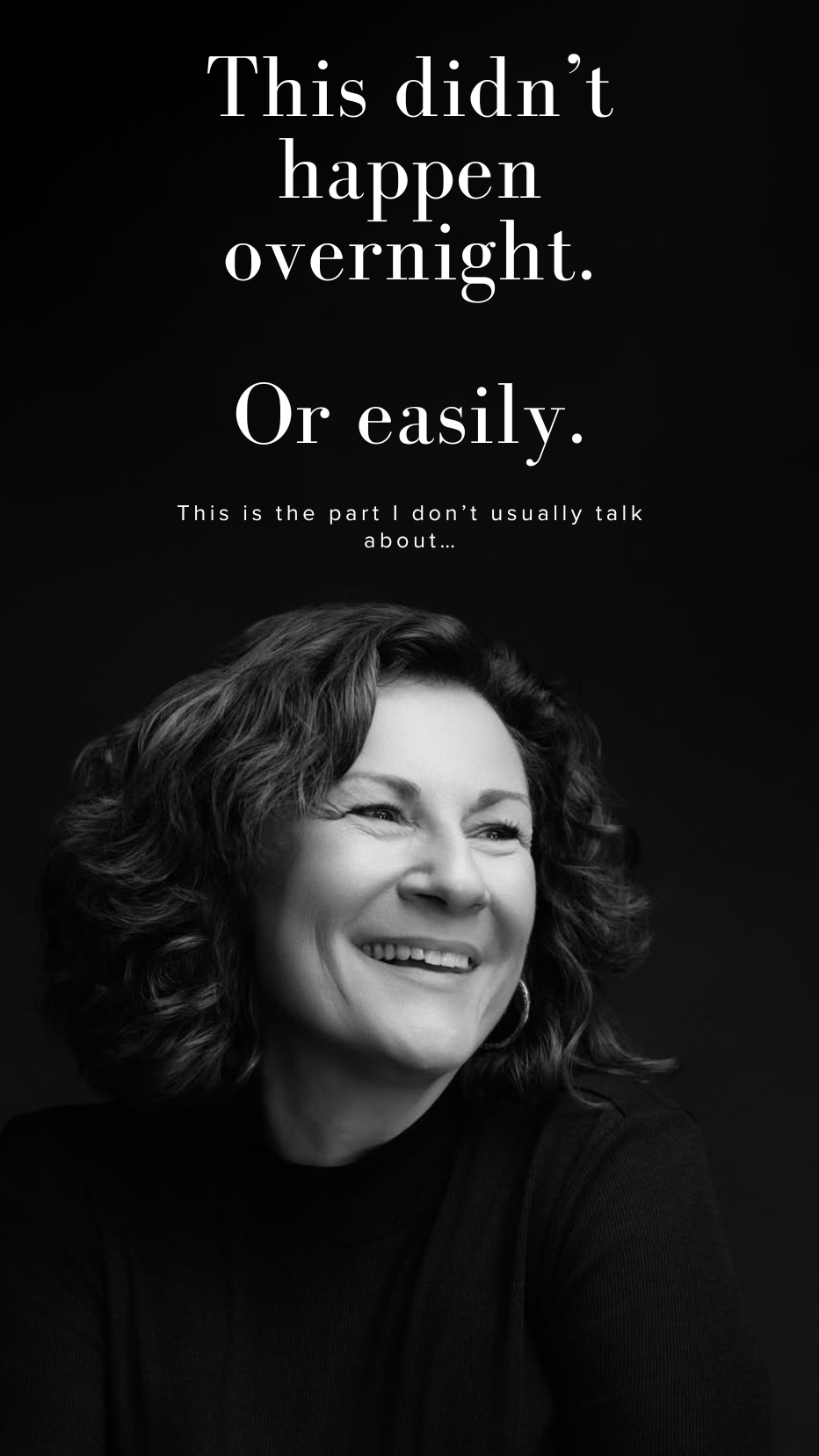
This didn’t happen overnight. Or easily.
26 years in business.
And the truth is — this journey has been anything but linear.
I built my photography business on weekends and at night while working full-time in a Wall Street tech career, juggling two jobs in New York and Connecticut — including through 9/11, a moment that changed how I saw everything.
A few years later, I moved to California and had to start over from scratch. And within that first year, life hit hard: a cancer diagnosis and a divorce — both while rebuilding a business, a network, and myself.
That restart alone has been 9.5 years of choosing to stay.
To keep going.
To believe again when it would’ve been easier not to.
What 26 years has taught me:
You don’t arrive. You evolve.
And resilience isn’t loud — it’s quiet, daily commitment.
Today, I photograph people at their own turning points — moments when they’re becoming something new and need to see their strength reflected back.
If you’re in the middle of your own hard chapter, this is your reminder:
You’re not behind. You’re becoming. 🤍
Headshot of New President CEO of the Pleasanton Chamber of Commerce

Huge congratulations to Yianna Theodorou on being named the new President & CEO of the Pleasanton Chamber of Commerce!
It’s been amazing seeing your leadership in action over the years — from strengthening member engagement to fostering meaningful community partnerships — and now you’re stepping into this well‑deserved role. As a fellow Chamber member and former Ambassador Chair, I’m proud to share this moment and excited for what’s ahead under your direction.
Check out the full story:
https://www.pleasantonweekly.com/pleasanton/2026/01/14/pleasanton-chamber-promotes-longtime-employee-theodorou-to-president-ceo/
Here’s to continued growth and success for the Chamber and our community!