
What Happens After Your Headshot Session
My favorite part of a headshot session happens after the camera goes down.
It's the email I get when a client opens their finished image for the first time. Sometimes it's one short line. Sometimes it's a long note about finally feeling ready to replace a LinkedIn photo that's been up for years.
A recent testimonial:
“I had a wonderful experience getting photographed by Nina. My appointment was filled with her expertise, passion, & joy. She knew how to make you laugh and feel comfortable when it came to the awkwardness of being photographed. She gave me plenty of options and wanted to ensure that the photo I chose was one where I felt most happy and confident. I loved how it turned out and I’d recommend Nina to anyone else looking for the perfect headshot.Getting to that moment takes a few steps. If it's been a while since your last professional headshot, here's exactly what to expect.”
Step 1: Choosing Your Images Together
At the end of your studio session, we sit down together and review your images on screen.
You'll notice small differences from frame to frame. A slight tilt of the chin. A smile that reached your eyes half a second later. Those differences matter, and you're the best judge of which one feels most like you. I'm right there beside you to share my perspective.
A few tips for choosing:
Look at your eyes first. The frame where your eyes feel engaged is usually the one.
Think about where your image will live. LinkedIn, your company website and a speaker bio each set a slightly different tone.
Trust your first reaction. You know how you want to be seen.
Each image you choose becomes a finished portrait. You might choose one image or a few, so you have options for different platforms.
You leave the studio with your decision made. No homework, no gallery to sort through later.
Booked an On-Location Session?
When I photograph you at your office or another location, the process has one extra step. Within 5 business days, I send you a private proof gallery.
Your proofs are unretouched previews and each one carries my watermark. That's your signal it's a preview. The lighting and expression are there. The finishing work hasn't happened yet.
Please make your selections within 3 days so your finished images reaches you while the excitement is still fresh.
Your proofs stay in the gallery. Your finished image is the one meant for the world.
Step 2: Retouching
This is where your image becomes your headshot.
I retouch every image myself. I soften what's temporary, such as a blemish or a stray hair, and keep what makes you recognizable. I balance color and light so your skin looks natural. I never reshape your face or make you look like someone else.
When someone meets you after seeing your headshot, I want them to recognize you right away.
Retouching takes 3 business days from the day you make your selection.
Step 3: Your Finished Image
Your final image arrives as a high-resolution file, ready for LinkedIn, your website, your company directory and your next speaker bio.
Your purchase includes a license to use your finished image. In plain terms, you're free to use it for for example professional profiles, website and print materials. As the photographer, I keep the copyright, which is standard practice in professional photography.
Why the Wait Is Worth It
When you love an image, you want to share it right away. I understand that.
What you see on screen captures the moment. The finished image is the one you'll use for the next several years. It's what a recruiter, a new client or a conference audience sees before they ever meet you.
A few extra days give you an image you'll be proud to use every time.
Ready When You Are
If you've been putting off a new headshot, I'd love to help. My studio is in downtown Pleasanton and I photograph clients from across the Tri-Valley and East Bay.
Featured East Bay Business Branding Sessions
The Branding Series
Your business has more than one side. Your photos should too.
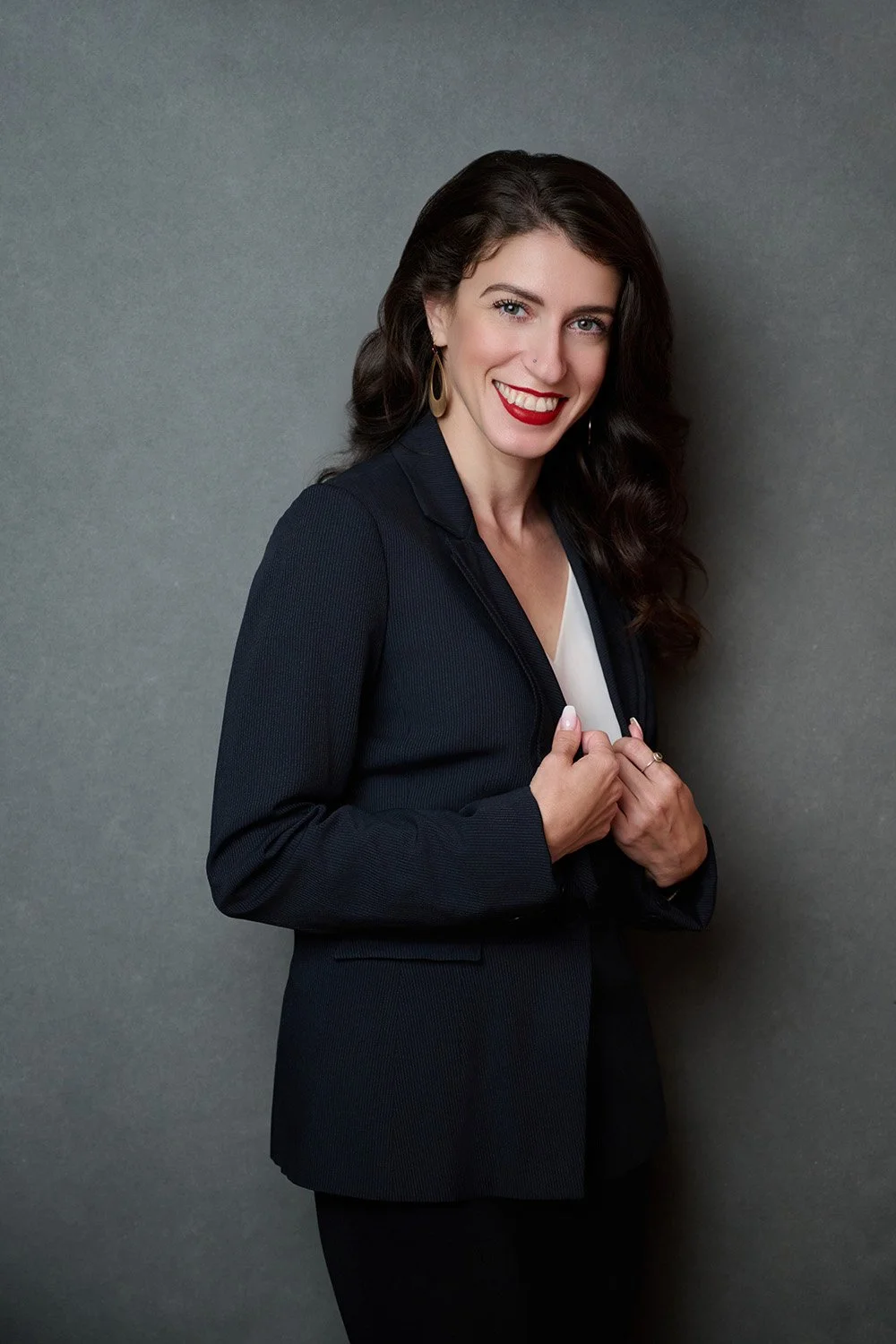
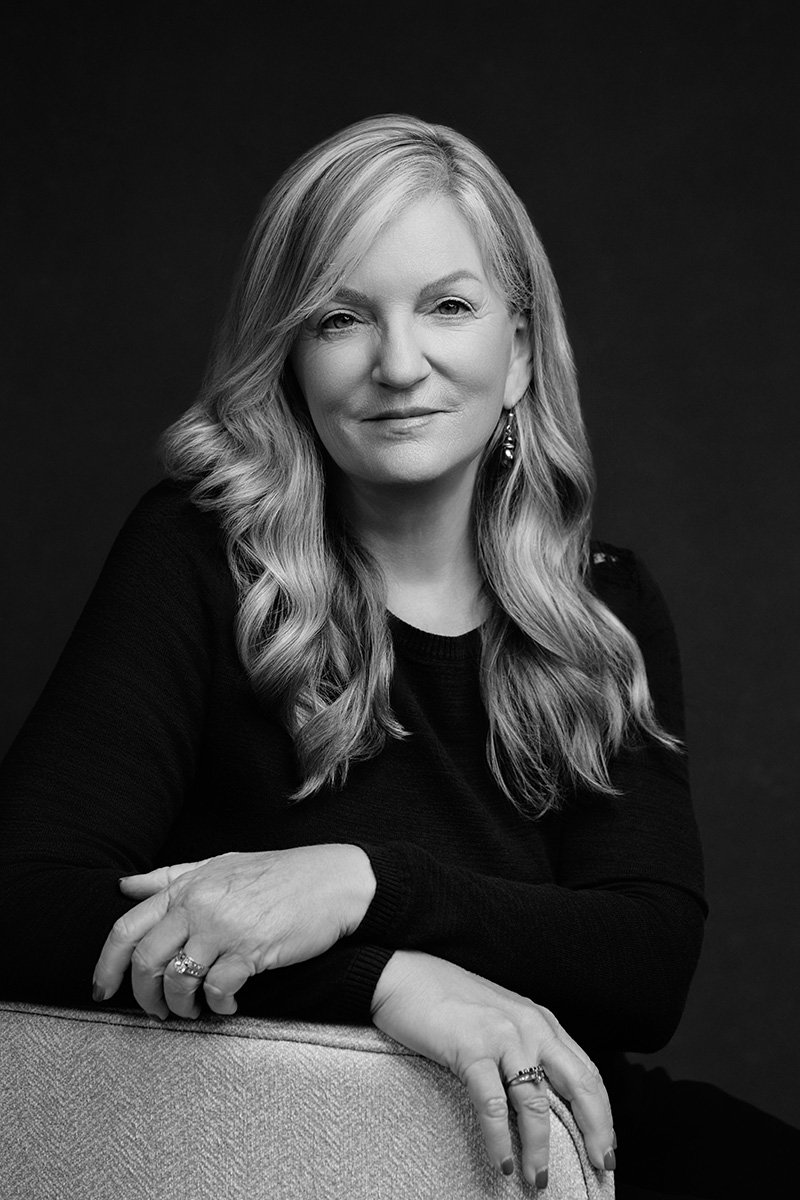
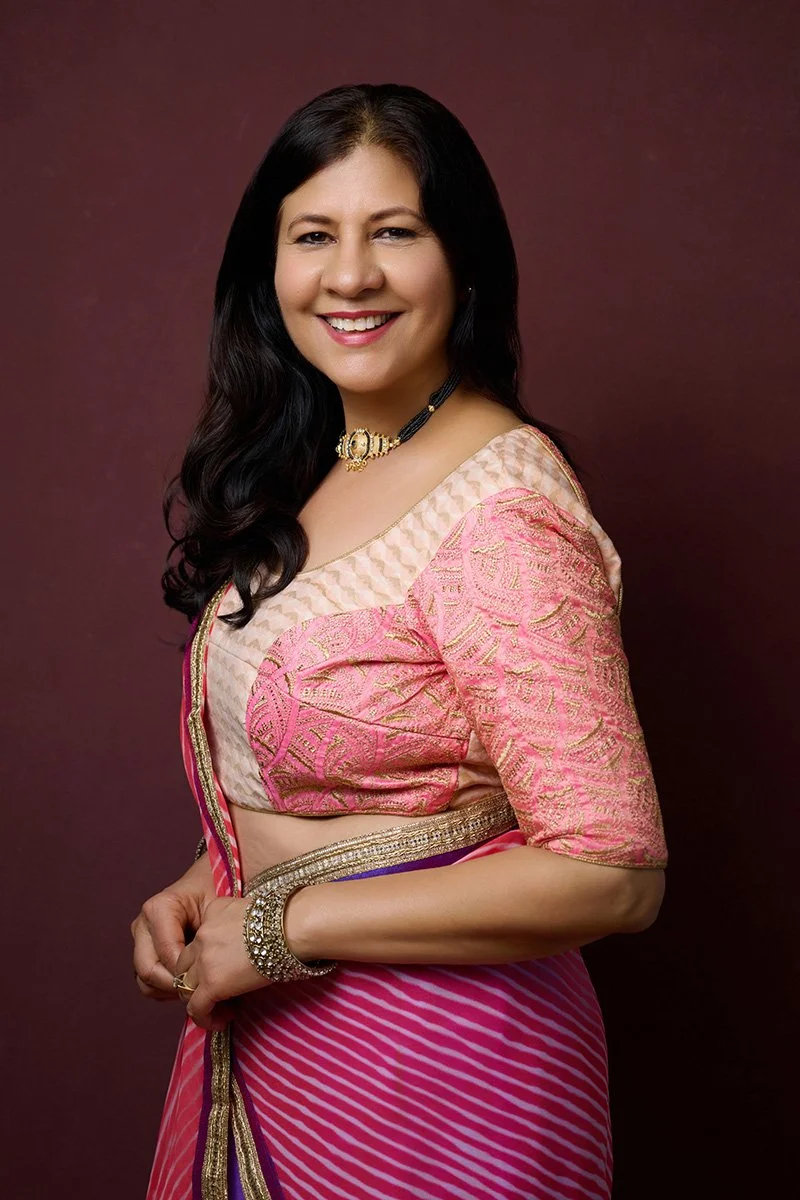
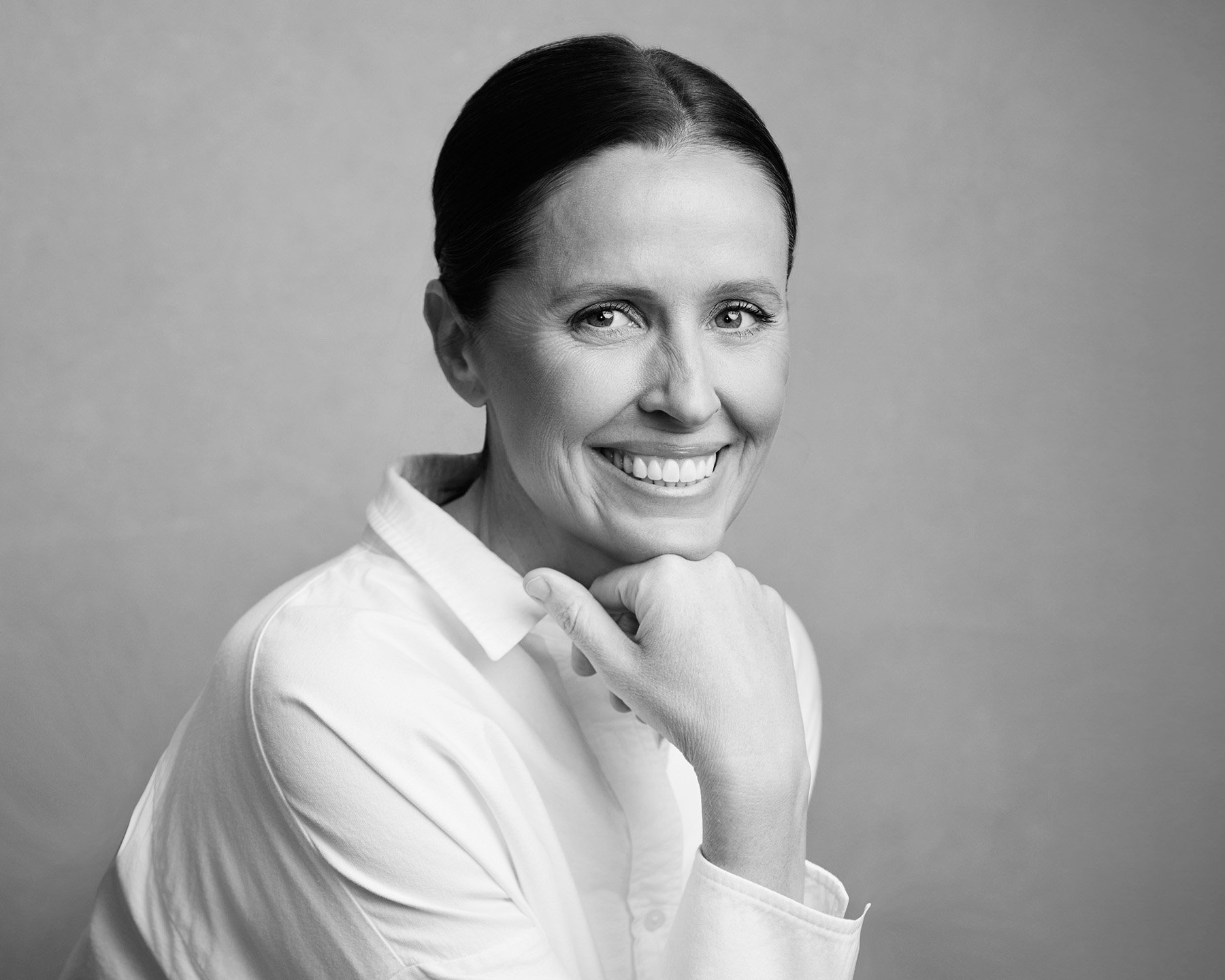
That's the idea behind The Branding Session, a new studio session designed to give you a full range of images for every part of your business.
This fall, I'm introducing it with a series featuring six East Bay business owners. I'm especially interested in hearing from business owners in law, finance, real estate, wellness, food and interior design.
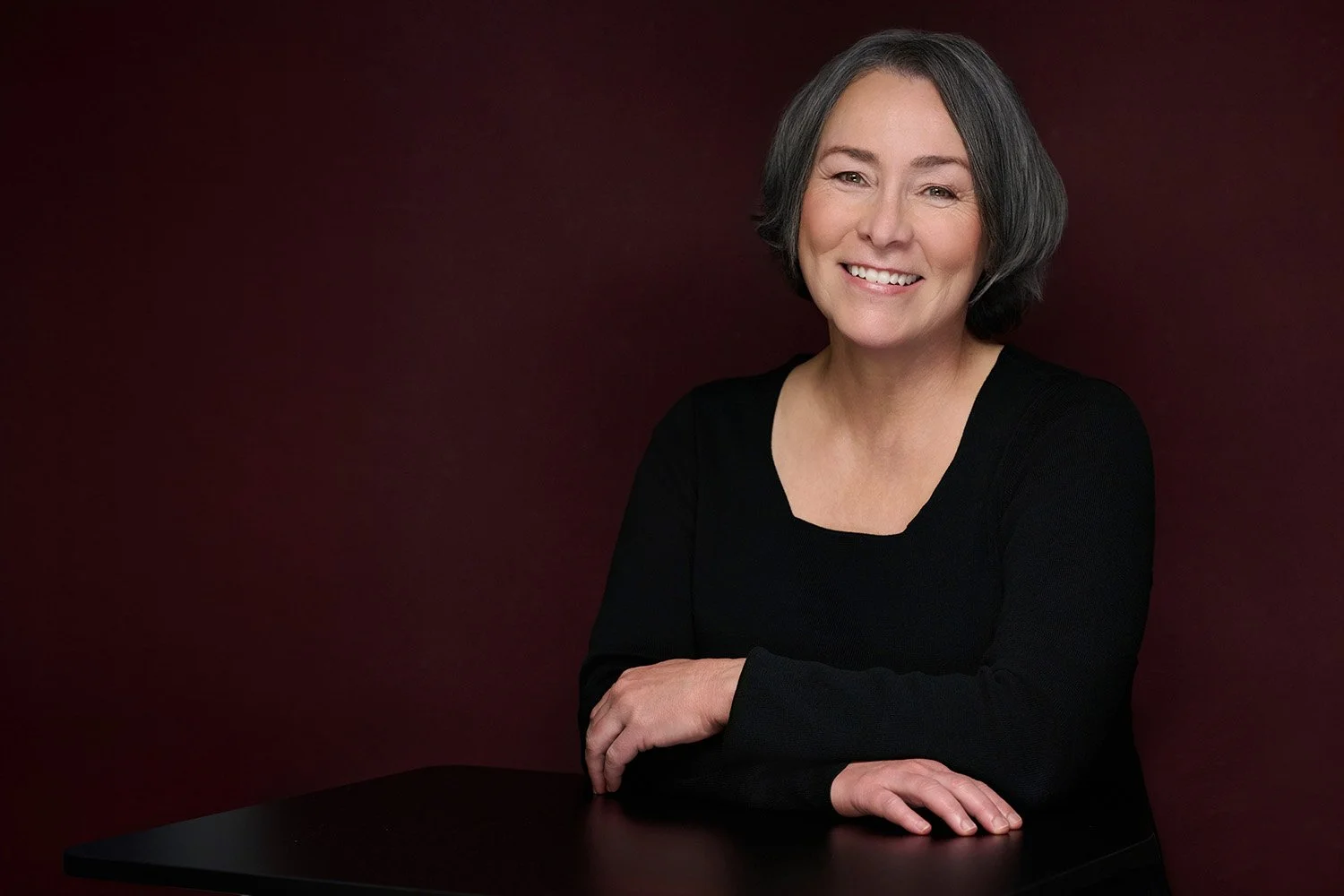
What it is:
→ The Branding Session, a new studio session in downtown Pleasanton
→ Multiple outfits, full body portraits to headshots, polished to relaxed
→ Professional hair and makeup included
Who it's for:
→ Business owners and self-employed professionals whose clients choose them personally
Investment:
→ $790 session, including hair and makeup
→ Images from $300 each, with payment plans
The bonus:
→ The first six clients this fall will be featured in my newsletter, blog and social media
Next step
→ Share your name and business, and I'll call you to talk it through
Price Like a Business, Not a Hobby
Besides running a photography studio, I also am a mentor and coach to photographers and other service based businesses.
The first question everyone wants to know about is I need help with pricing. So my first question is: what does it cost you to be in business?
Most people answer with what others in their field charge. That number tells you about someone else's business. It tells you nothing about yours.
The difference between a hobby and a business
A hobby covers the cost of supplies. A business covers everything it takes to stay open, pay you and keep serving clients next year.
That holds true whether you work 10 hours a week or 50. A client injury or a missed deadline carries the same weight on a Saturday side job as it does on a full-time schedule.
The costs that get left out
When I sit down with a business owner, these are the costs we list first:
Business license and any required permits
General liability and professional liability insurance
Insurance on your equipment or tools
Replacing gear as it wears out
Software and monthly subscriptions
Bookkeeper or accountant
Income and self-employment taxes
Rent or workspace
Website and marketing
Training and continuing education
Health insurance and retirement savings
Your time on everything outside the service itself: emails, scheduling, invoicing and follow-up
Every item on this list is part of the price your client pays. If it's missing from your number, you're paying for it yourself.
A simple way to find your number
Here's the formula I use with clients:
(Yearly business costs + the salary you want) ÷ the number of clients you're able to serve in a year = your minimum price per client
For example, with numbers for illustration only:
Yearly business costs, including taxes: $30,000
Salary you want to pay yourself: $60,000
Total: $90,000
Clients you're able to serve in a year: 150
Minimum price per client: $600
Be honest about how many clients you're able to serve. Leave room for slow months, time off and the hours that go into each client before and after the work itself.
Now compare that number to what you charge today. If your current price is lower, the difference comes out of your pay, your savings or your ability to keep going.
Why this matters to your clients
A price that covers your costs protects the people you serve. It means you're licensed and insured. It means you have backup equipment when something fails. It means you're still in business next year when a client wants to come back or send a friend your way.
Clients notice the difference, even when they don't see the numbers behind it.
Let's find your number together
I've run my own business for 26 years. I coach service business owners through this process one hour at a time or through a coaching package. We go through your costs, your capacity and your goals so you leave with a price you're confident in.
Where to Get Professional Headshots in the Bay Area
If you've typed some version of "where do I get headshots done near me" into Google, you're probably past the point of wondering whether you need one. You're deciding who does it. That's a harder question than it looks, because a headshot session is not a commodity. The person behind the camera decides whether the photo works for you or just sits in your files unused.
I've spent 26 years photographing executives, entrepreneurs and corporate teams. I've watched people make this decision both ways. Here's what actually separates a session worth booking from one you'll regret.
What a Good Headshot Experience Actually Looks Like
Experience matters more than equipment. A photographer who has spent years directing people through the awkwardness of being photographed knows how to get a natural expression out of someone who hates having their picture taken. That skill doesn't show up in a portfolio thumbnail. It shows up in the session itself, in how quickly the stiffness fades and you stop feeling posed.
Retouching should be part of the conversation before you book, not a surprise line item after. So should turnaround time. If a studio doesn't tell you upfront how many looks you get, how long editing takes and what the final deliverables include, that's worth noticing.
Studio Sessions Versus Mobile Sessions
A private studio gives you consistent lighting, no outside noise and no weather to work around. A mobile session brings the photographer to your office, which is convenient but trades away control over the environment. Neither one is wrong. The right choice depends on whether you want the polish of a controlled studio setup or the practicality of staying in your own space.
My studio sits in downtown Pleasanton, in a building with parking on three sides and an elevator to the second floor, so getting in and out is simple whichever way you arrive. On-location sessions take me to offices throughout the region, including Livermore, Fremont, Dublin, Walnut Creek, San Ramon, Danville and Oakland, with the full service area outlined on my Tri-Valley headshots page.
What a Session Costs in the Bay Area
Pricing in this market varies a lot. Some studios keep it behind an inquiry form until you've already committed time to a phone call. Mine is upfront. Full investment details are one click away at the top of this page, so the numbers are visible before you reach out, not after.
Questions Worth Asking Before You Book
Every smart buyer walks into a session decision with the same handful of questions. Here's how I answer them.
How many images do I actually get?
Enough to choose from, with several genuine looks rather than one setup shot repeated a dozen times.
What if I don't love the first few shots?
That's normal. It's part of why the session includes real time behind the camera instead of a rushed five minutes.
Is retouching included, or is it billed separately?
Retouching is included, not an add-on you find out about after the invoice arrives.
How long until I have my final images?
Turnaround is part of what I outline with you before the session, not something you have to ask about after the fact.
Do you offer both studio and on-location sessions?
Both formats are available. The studio in downtown Pleasanton works for most sessions. On-location sessions are available for offices and teams throughout the Bay Area.
My Approach
Where Authority Meets Authenticity is more than a line on my website. It's what I aim for in every session, a photo of you at your most capable, not a stiff corporate portrait. My studio at 4725 1st Street in downtown Pleasanton is where that happens, one session at a time.
Frequently Asked Questions
Where can I get professional headshots done near me?
My studio is in downtown Pleasanton at 4725 1st Street. I photograph clients throughout the Bay Area, both in studio and on location.
How much do business headshots cost?
Full pricing is available on the investment page linked at the top of this post, ready to review before you book.
What's the difference between a headshot and a portrait session?
A headshot is built around one strong, useful image for a profile or company page. A portrait session covers more ground, multiple looks and settings for broader personal branding use.
How long does a headshot session take?
Sessions are paced to move through several looks without feeling rushed. I'll walk you through pacing when we set up your date.
End 2026 Strong With a Standout Brand
When was the last time you took a real look at what sets your brand apart?
Fall has a way of feeling like a reset. Summer slowly fades away, the calendar shifts and we head into the last stretch of the year.
It's a good moment to ask yourself one question: does your brand give people a clear reason to choose you?
Being good at your work isn't enough if your brand sounds the same as everyone else in your industry. Before you plan your next season of marketing, take a look at these three strategies to help your brand stand apart this fall.
1. Get specific about what it is you do
One of the most direct ways to separate yourself from the crowd is to define your specialty. Instead of trying to serve everyone, choose one specialty and commit to it. A life coach becomes a life coach who works with burnout. A relationship coach becomes a relationship coach who works with dating after divorce.
When you narrow your focus, you reduce your competition and become the person people think of first for that specific need. A defined niche is easier to remember and easier to refer.
Ask yourself: What problem do I solve better than most people in my field?
Task: Write down your top three strengths and interests. Combine them into a niche that speaks directly to one audience and one need.
2. Build a framework that's yours
Anyone can copy a method. No one can copy you, especially once your process has a name and a shape. Give your approach to client work its own structure, with clear steps that reflect how you work. Name it in a way people remember, something along the lines of what I call my Bullseye Branding Formula.
A named framework becomes part of your identity. It sets you apart from competitors who offer the same service without a defined process behind it.
Ask yourself: What is the specific process I follow that other people in my field don't?
Task: Write out your current process step by step. Pull out what makes it different, then give it a name and a short description.
3. Say what you think
Don't hold back your point of view. If something in your industry frustrates you or you see things differently than most people in your field, say so. A clear opinion, even one that isn't popular with everyone, gives your audience something to connect with.
Speaking honestly about where you stand builds trust faster than staying neutral ever will. People remember brands with a point of view.
Ask yourself: What industry practice or opinion do I disagree with?
Task: Post a video or social update sharing your honest take on something relevant to your field. Keep it grounded in what you believe and open the door for a real conversation with your audience.
As the season changes, take a little time to look at your brand with fresh eyes. Get specific about your specialty, build a process that's recognizably yours and say what you believe. These three steps will help your brand stand apart and build a stronger connection with the people you want to reach.
Want to learn more about developing and building your personal brand? Check out my book series OWN-IT.
Or are you ready to jump in and get started creating a standout brand for yourself? Set up a free consultation call to get started!
The Family Portrait You Keep Putting Off
Most families kind of dread the “family portrait.” So they end up putting it off with lots of excuses, my kids won’t cooperate, I want to lose weight, etc.
One of my clients had an adult daughter (with a family of her own) and her Mom was getting old and not crazy about the idea of a formal portrait. But Mom was growing older and she was starting to feel uncertain that she’d every be able to get it done. So we talked it over, she booked the session and it was so special to capture the bond between three generations of women.
Here is what she shared with me after the session:
“Today, that portrait means more to me than I could have imagined. It is not just a photograph. It is a visual reminder of our family's story, our shared memories and the bond between a grandmother, mother and daughter. It has become one of my most treasured possessions.”
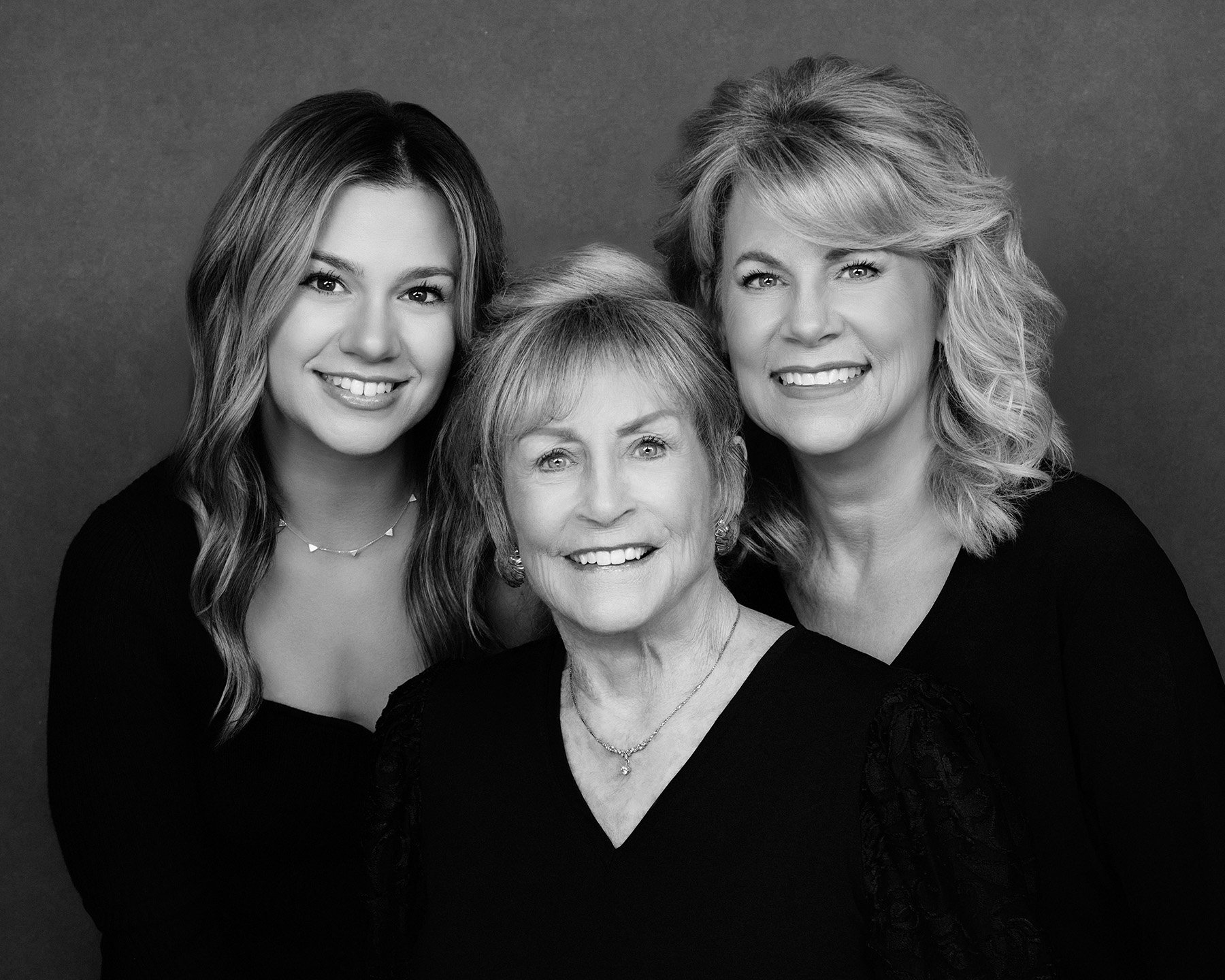
Why a three-generation portrait matters
A family portrait is not about a perfect pose. It is about the relationships.
My job in the studio is to capture that connection. Most people feel uncomfortable in front of a camera, and that is normal. I direct every step, I keep the room relaxed and I watch for the real moments between people rather than asking everyone to freeze and smile. In her words, the experience was effortless and meaningful, and that is exactly what I want for every family who sits for me.
The advice she wanted to pass on
When I asked if she had anything to share with other families, this is what she said.
To anyone who has been thinking about a family portrait but keeps putting it off, my advice is simple. Do not wait. There will always be reasons to postpone it, but time moves faster than we think. The memories you preserve today will only become more valuable tomorrow.
I could not say it better. The families who book the portrait rarely wish they had waited. The ones who wait sometimes lose the chance.
If three generations of your family are in one place this year, that is the moment. I would be honored to help you hold onto it.