

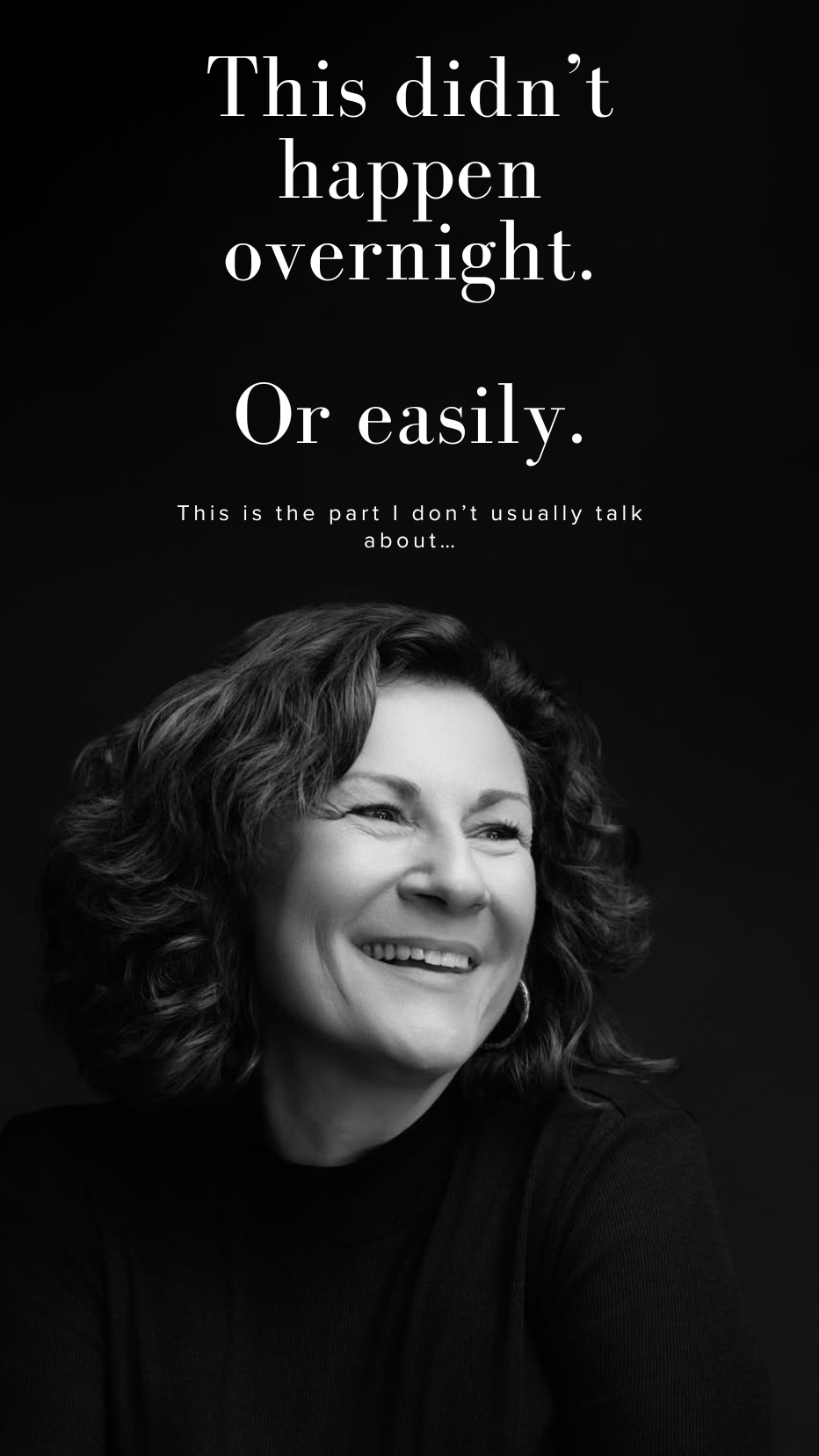
This didn’t happen overnight. Or easily.
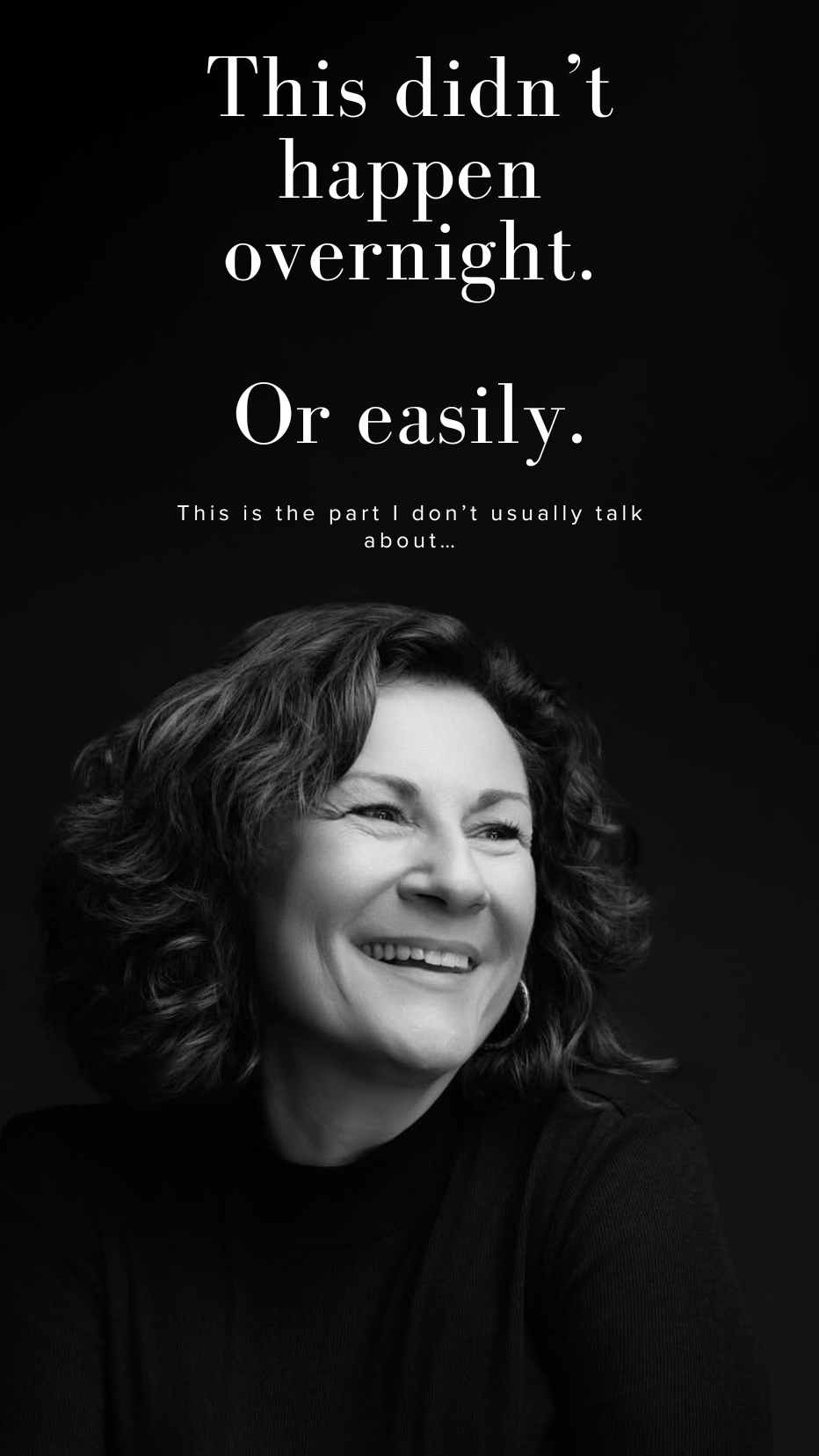
26 years in business.
And the truth is — this journey has been anything but linear.
I built my photography business on weekends and at night while working full-time in a Wall Street tech career, juggling two jobs in New York and Connecticut — including through 9/11, a moment that changed how I saw everything.
A few years later, I moved to California and had to start over from scratch. And within that first year, life hit hard: a cancer diagnosis and a divorce — both while rebuilding a business, a network, and myself.
That restart alone has been 9.5 years of choosing to stay.
To keep going.
To believe again when it would’ve been easier not to.
What 26 years has taught me:
You don’t arrive. You evolve.
And resilience isn’t loud — it’s quiet, daily commitment.
Today, I photograph people at their own turning points — moments when they’re becoming something new and need to see their strength reflected back.
If you’re in the middle of your own hard chapter, this is your reminder:
You’re not behind. You’re becoming. 🤍
Headshot of New President CEO of the Pleasanton Chamber of Commerce
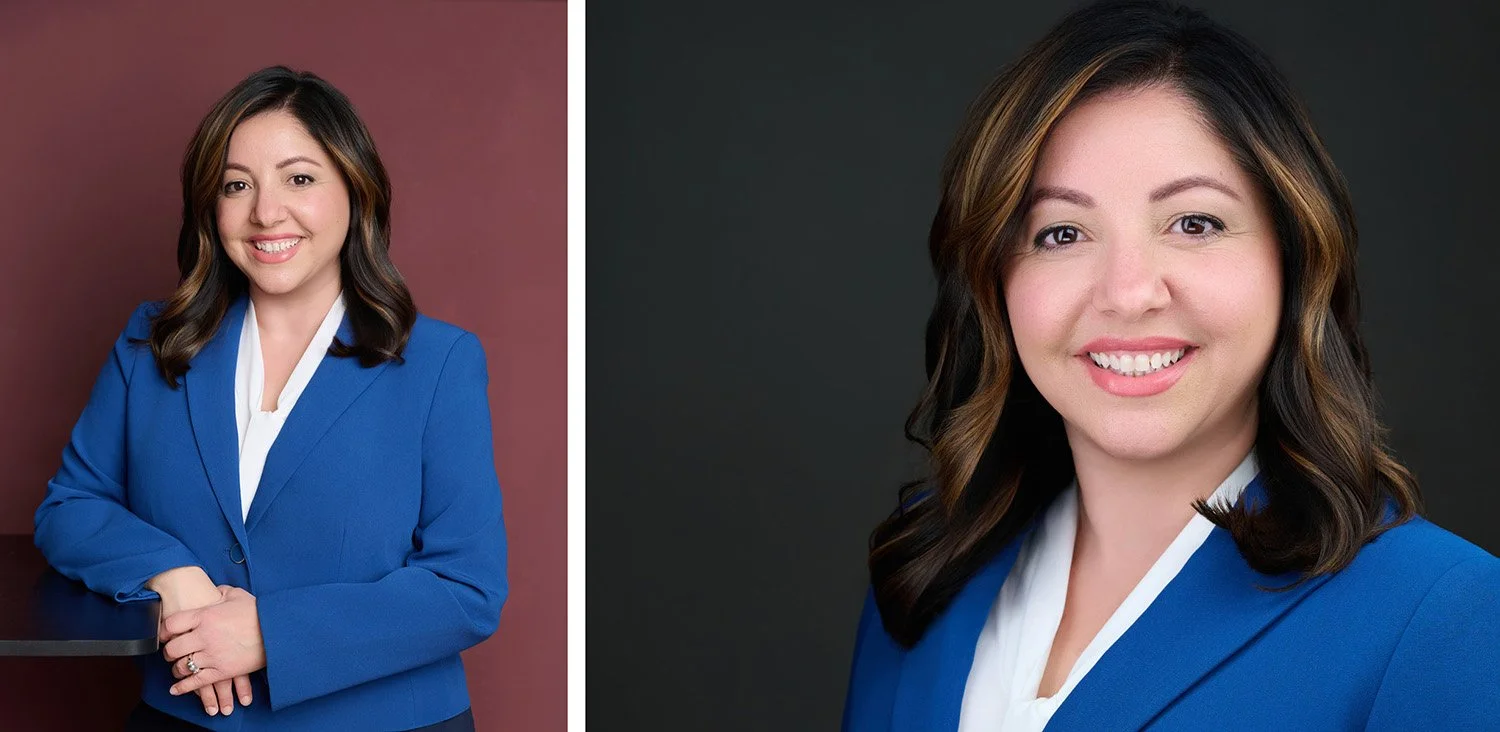
Huge congratulations to Yianna Theodorou on being named the new President & CEO of the Pleasanton Chamber of Commerce!
It’s been amazing seeing your leadership in action over the years — from strengthening member engagement to fostering meaningful community partnerships — and now you’re stepping into this well‑deserved role. As a fellow Chamber member and former Ambassador Chair, I’m proud to share this moment and excited for what’s ahead under your direction.
Check out the full story:
https://www.pleasantonweekly.com/pleasanton/2026/01/14/pleasanton-chamber-promotes-longtime-employee-theodorou-to-president-ceo/
Here’s to continued growth and success for the Chamber and our community!
LinkedIn Profile Photo Tips: A Complete Guide

Your LinkedIn profile photo is working before you ever send a connection request, before anyone reads your headline and before they click on your profile. It shows up in search results, in messages and alongside every comment you leave. Of all the elements on your LinkedIn profile, your photo has the most immediate impact on whether someone decides to engage with you.
After 26 years of photographing professionals across the Tri-Valley and East Bay, here's what consistently makes a LinkedIn photo work and what gets in the way.
Why Your LinkedIn Photo Matters
LinkedIn's own data shows that members with a profile photo receive significantly more profile views and messages than those without one. The photo signals that the profile is active, current and belongs to a real professional who takes their presence seriously.
Beyond visibility, research on profile photos consistently shows that people form fast impressions based on images, assessing competence, trustworthiness and approachability within seconds. A photo that communicates confidence and warmth works in your favor before a single word is read.
LinkedIn Photo Specs
Getting the technical requirements right is the starting point:
Recommended size: 400 x 400 pixels minimum, up to 7680 x 4320 pixels
File format: JPG, PNG or GIF
File size: Under 8MB
Aspect ratio: 1:1 (square) - LinkedIn crops your photo to a circle in most views
Face framing: Your face should fill approximately 60% of the frame - head and shoulders, not a full body shot
A professional photographer delivers images already sized and formatted correctly. If you're working with an older photo, crop and resize before uploading a stretched or poorly cropped image reads as careless at a professional level.
What Makes a Strong LinkedIn Photo
Expression A natural, approachable expression consistently outperforms a stiff or overly serious one. Research on profile photos has found that people with genuine smiles particularly open, relaxed ones are rated as more likable and approachable. The goal is an expression that looks like you in a good conversation, not like you're waiting for the camera to stop.
Wardrobe Dress the way you'd dress to meet a client or attend a professional meeting. Solid colors photograph better than patterns on LinkedIn's small circular crop. Navy, charcoal and jewel tones all work well. Avoid large logos and anything that dates quickly.
Background A clean, neutral background keeps the focus on your face. Most professional headshot studios offer multiple background options a simple light or dark background is the most versatile for LinkedIn.
Lighting Flat lighting, harsh shadows and overhead fluorescent lighting all read poorly on camera. Professional studio lighting is specifically designed to be flattering and consistent which is the primary reason a professional headshot looks different from a photo taken in a conference room or a selfie.
Resolution A blurry or low-resolution photo undermines everything else on your profile. Upload the highest resolution file you have.
What to Avoid
Selfies - the angle and lighting are almost never flattering and the image reads as informal
Group photos or cropped group shots - the crop is usually obvious and it raises the question of who else was in the photo
Sunglasses, hats or accessories that obscure your face
Casual clothing - a t-shirt or very casual outfit sends a different signal than your professional context warrants
Pets, children or other people in the frame - your profile photo should be you, alone
Car photos - the background and lighting of a car interior rarely photograph well
Full-body shots - LinkedIn crops to a circle; a full-body photo makes your face too small to read
Photos more than two to three years old - if you look noticeably different from your current photo, it creates a disconnect when you meet people in person
Low-resolution or blurry images - if the image isn't sharp, it signals a lack of attention to detail
How Often Should You Update Your LinkedIn Photo
Every two to three years is a reasonable guideline or sooner if your appearance has changed significantly. If you've changed your hair, lost or gained weight, or if your current photo is from a different phase of your career, it's worth updating.
Keeping multiple outfit options from a single session gives your profile and your team variety when posting content. A session that produces 2 to 3 different looks means you're not relying on the same image across every platform and use case.
Professional Headshot vs. DIY
The difference between a professional headshot and a phone photo or selfie comes down to three things: lighting, direction and retouching.
Professional studio lighting is specifically designed to be flattering. A photographer who specializes in headshots provides direction on expression, posture and angles throughout the session so you don't have to figure out what to do. And professional retouching delivers a finished image that looks natural and polished without looking overly edited.
For a platform where your photo is one of the first things a recruiter, potential client or business connection sees, a professional image is worth the investment.
Frequently Asked Questions
What size should my LinkedIn photo be? LinkedIn recommends a minimum of 400 x 400 pixels. The photo displays as a circle, so a square crop with your face centered works best. Your face should fill approximately 60% of the frame.
How often should I update my LinkedIn photo? Every two to three years, or sooner if your appearance has changed significantly. An outdated photo creates a disconnect when you meet people in person.
Should I smile in my LinkedIn photo? A natural, relaxed expression including a genuine smile, consistently outperforms a stiff or overly serious look. The goal is approachable and confident, not formal to the point of being unfriendly.
What should I wear for my LinkedIn headshot? Dress the way you'd dress to meet a client or attend a professional meeting. Solid colors photograph better than patterns. Navy, charcoal and jewel tones are all strong choices.
Does background color matter for LinkedIn? A clean, neutral background keeps the focus on your face and works well in LinkedIn's circular crop. Very busy or colorful backgrounds tend to distract.
Where is the studio? The studio is at 4725 1st Street in downtown Pleasanton, centrally located in the Tri-Valley with parking available in three surrounding lots.
Outdoor Headshots vs. Studio Headshots: What Really Makes a Great Portrait?
When choosing a professional headshot, one of the first questions people ask is studio or outdoors? While outdoor headshots can feel casual and approachable, studio headshots consistently deliver a more refined, intentional result—especially for professionals who want their image to work hard across platforms.
A Controlled Environment = Consistent Results
In a studio, everything is intentional. Lighting, angles, background, and mood are carefully crafted to flatter you—not the weather.
Outdoor sessions are at the mercy of the elements. Wind can disrupt hair and wardrobe. Bright sunlight causes squinting and harsh shadows like raccoon eyes. Overcast skies can flatten the face. Even a perfect day can change in minutes.
In the studio, none of that is left to chance. The environment is calm, comfortable, and predictable—allowing you to relax, settle in, and focus on being present.
Your face should be the focus. Most headshots today are viewed as small profile images—LinkedIn, company websites, speaking bios, press features. At that scale, busy backgrounds compete for attention and dilute impact.
Studio headshots are designed to do one thing: draw the eye directly to your face. Clean backgrounds, intentional lighting, and subtle depth ensure that you remain the focal point—your expression, your confidence, your presence.
Nothing extra. Nothing distracting.
A powerful headshot isn’t about where it was taken—it’s about what it communicates.
The most compelling portraits convey approachability, authority, warmth, and self-assurance. That comes from expression, posture, and expert direction—not scenery.
In the studio, there’s space to slow down and refine those details. We can explore micro-expressions, flattering posing and lighting, and authentic moments that simply don’t happen when you’re battling sun glare or passerby distractions.
Studio headshots are created with real-world usage in mind—LinkedIn profiles, websites, press features, and marketing usage. Consistent lighting and background ensures your image works on all platforms and evolves as your brand grows.
Outdoor headshots can be lovely—but studio headshots are intentional, polished, and designed with purpose.
When the goal is to elevate your personal brand, command attention in a split second, and present yourself with quiet confidence, the studio offers an unmatched level of control and refinement.
Because in the end, the most important element in your headshot isn’t the background.
It’s you.
East Bay Headshots
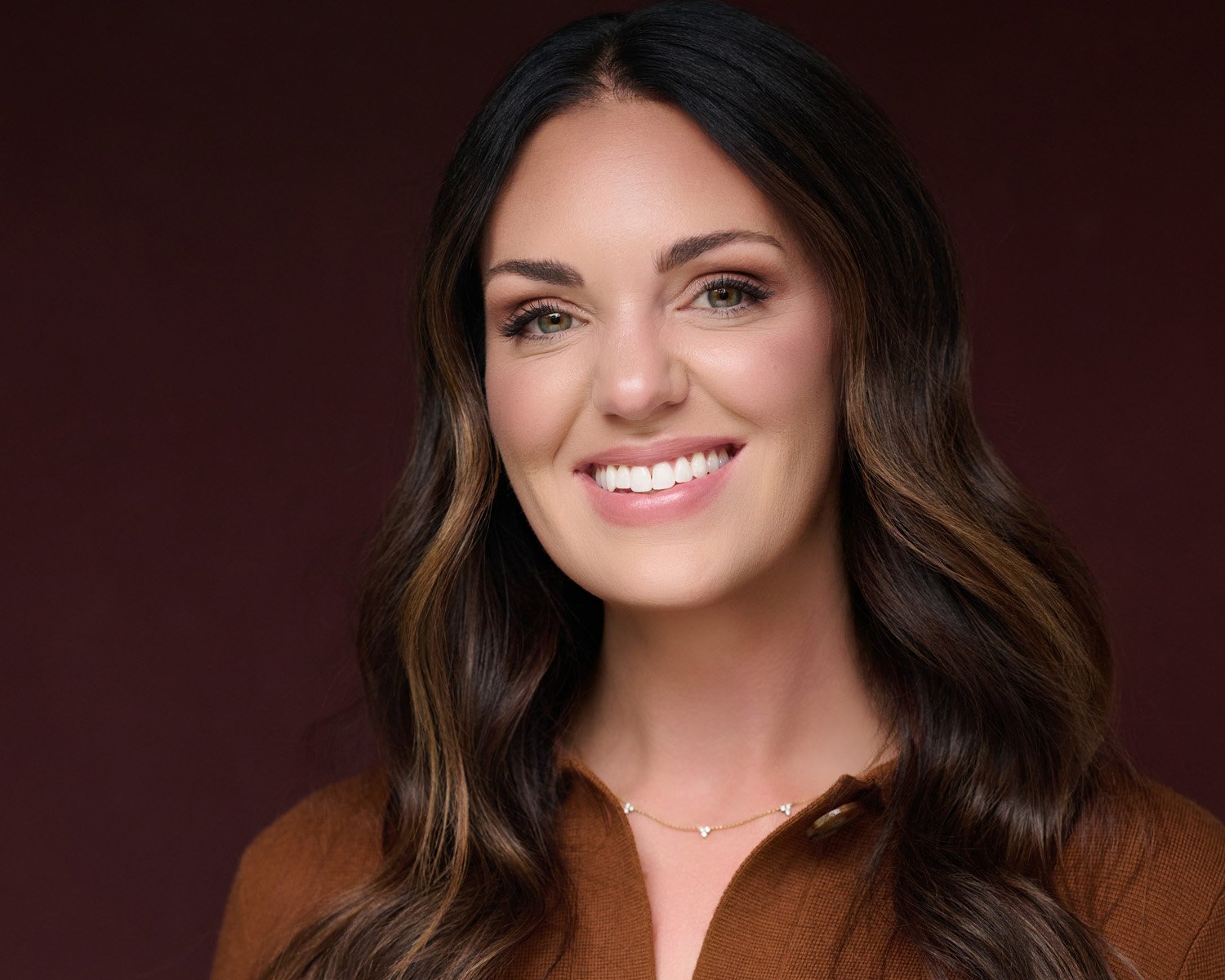
East Bay Headshots: What to Expect When Hiring a Luxury Headshot Photographer
Finding the right headshot photographer in the East Bay shouldn't feel overwhelming. Yet many professionals struggle with concerns that prevent them from getting the images they need to elevate their brand. After years of working with clients across the Bay Area, I've learned that most people share the same core worries when investing in professional headshots.
"Will I Look Like Myself?"
This is perhaps the most common fear I hear. You've seen those overly retouched photos that make people look like plastic versions of themselves, and you're worried your headshots will have that same artificial quality.
The truth is, great headshots should enhance who you already are, not transform you into someone else. My approach focuses on capturing your authentic presence—the version of you that walks into important meetings and commands respect. We work together to find angles, expressions, and lighting that reveal your professional confidence while maintaining the genuine qualities that make you uniquely you.
"I'm Not Photogenic"
Let me be direct: this belief is holding you back, and it's almost certainly untrue. What people often mean when they say this is "I don't know how to pose" or "I feel awkward in front of cameras." That's completely normal, and it's exactly why you hire a professional.
My role is to guide you through every moment of the session. I'll show you precisely where to position your body, how to angle your face, and how to access genuine expressions that photograph beautifully. Most clients are amazed at how natural and confident they appear in their final images, simply because they had expert direction.
"What If I Don't Like Any of the Photos?"
This anxiety stems from past disappointing experiences or seeing mediocre results from other photographers. When you're investing significant money in professional headshots, you deserve certainty that you'll walk away with images you're proud to use.
This is where experience and reputation matter. My process includes a thorough consultation before your session to discuss your goals, your brand, and the specific contexts where you'll use these images. During the shoot, I show you images on a large screen so you can see what's working in real time. And with multiple outfit changes and varied backgrounds, you'll have diverse options that serve different professional needs.
"The Timing Never Feels Right"
You're waiting to lose ten pounds, grow out your hair, or get past this busy season at work. Meanwhile, you're using outdated photos or worse—no professional image at all—which costs you opportunities every single day.
Here's what I tell every client who mentions timing: your headshots don't need to wait for a "perfect" version of yourself. They need to represent the professional you are right now, because that's who is networking, applying for positions, and building their brand today. Professional hair and makeup services can address immediate concerns, and the confidence boost from having current, polished images is immediate.
"Professional Photography Feels Intimidating"
Walking into a photography studio when you're not used to being photographed can feel vulnerable. You're concerned about feeling judged, not knowing what to do with your hands, or the photographer being impatient with your nervousness.
The environment I create is specifically designed to put you at ease. We start with conversation, not camera clicks. I want to understand who you are and what you need before we begin shooting. Throughout the session, I maintain an encouraging, collaborative atmosphere. Many clients tell me they actually enjoyed the experience—something they never expected to say about getting their photo taken.
"How Do I Know the Investment Is Worth It?"
Luxury headshots represent a significant financial commitment, and you need to know the return justifies the cost. You're comparing prices and wondering if the difference between photographers really matters.
Consider what professional headshots do for your career: they open doors to speaking engagements, attract ideal clients, strengthen your LinkedIn presence, enhance your website credibility, and communicate your positioning in your industry. The difference between adequate headshots and exceptional ones is the difference between blending in and standing out. My clients consistently report that their new images have led to tangible opportunities—whether that's increased consultation requests, conference invitations, or simply the confidence to pursue bigger goals.
Moving Forward
The perfect headshot photographer for you is someone who not only produces beautiful images but also understands the strategic role these photos play in your professional life. If these pain points resonated with you, let's talk about how we can create headshots that genuinely serve your career goals.
Your professional image is working for you 24/7—on your website, LinkedIn profile, conference materials, and everywhere your name appears. Make sure it's representing the best version of your professional self.